How to Read More Books and Transform Your Life
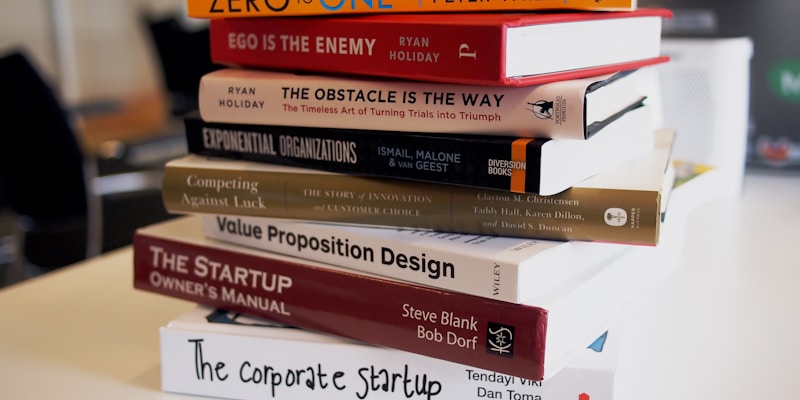
In an age of infinite distraction, the ability to read deeply and consistently has become a superpower. The world's most successful people - from Warren Buffett to Bill Gates to Oprah Winfrey - are voracious readers. They credit much of their success to the knowledge, perspectives, and insights gained from books. Yet many of us struggle to find time to read, or when we do read, we fail to retain and apply what we've learned.
The Power of Reading
Reading is unique among human activities. It allows you to download decades of experience and wisdom directly into your mind in a matter of hours. A book that took an author years to research and write can be consumed in a weekend. This leverage of time and knowledge is unparalleled.
Beyond knowledge acquisition, reading enhances empathy by allowing us to experience lives different from our own. It improves focus and concentration in an age of constant distraction. It reduces stress, improves sleep, and has been linked to longer life expectancy. Reading isn't just a hobby; it's an investment in yourself.
Overcoming Common Reading Barriers
The most common excuse for not reading is "I don't have time." But this is rarely true. We all have the same 24 hours in a day. The issue isn't time; it's priority. The average person spends hours daily on social media and television. Reclaiming just a fraction of that time for reading would allow you to read dozens of books per year.
Another barrier is the feeling that reading is a chore rather than a pleasure. This often stems from being forced to read books we didn't enjoy in school. As adults, we have the freedom to read whatever interests us. When you read about topics you're genuinely curious about, reading becomes a joy rather than an obligation.
Building a Reading Habit
The key to reading more is making it a habit. Start by setting a specific time for reading each day. Many successful people read first thing in the morning or before bed. The important thing is consistency - reading for 20 minutes daily is better than reading for three hours once a month.
Always carry a book with you. Those moments of waiting - for appointments, in line, on public transportation - become opportunities to read. Digital books on your phone ensure you always have something to read, even if you forget your physical book.
Strategies for Reading More
One powerful strategy is to create a reading environment that supports your goals. Keep books visible and accessible. Create a cozy reading nook. Remove distractions like your phone from your reading space. The easier you make it to start reading, the more likely you are to do it.
Another effective approach is to read multiple books simultaneously. This might seem counterintuitive, but it allows you to match your reading to your mood and energy level. Have a challenging non-fiction book for when you're alert, a novel for when you want to relax, and a collection of essays for when you have short bursts of time.
"Reading is to the mind what exercise is to the body."
Speed Reading vs. Deep Reading
There's been much discussion about speed reading, with claims of reading thousands of words per minute. While some techniques can modestly increase reading speed, the goal shouldn't be to read as fast as possible. The goal is to extract value from what you read.
For most books, deep reading is more valuable than fast reading. This means engaging with the material, taking notes, and reflecting on how it applies to your life. Some books deserve to be read slowly and multiple times. Others can be skimmed or abandoned if they're not providing value.
Retaining What You Read
Reading without retention is like pouring water into a leaky bucket. To truly benefit from reading, you need strategies to remember and apply what you learn. Taking notes while reading significantly improves retention. Writing a brief summary after finishing a book helps consolidate your understanding.
Teaching what you've learned to others is one of the most effective ways to solidify knowledge. Discuss books with friends, write reviews, or create content about what you've read. The act of explaining forces you to clarify your understanding.
Choosing What to Read
With millions of books available, choosing what to read can be overwhelming. Start by identifying your goals. What do you want to learn? What skills do you want to develop? What problems are you trying to solve? Let your curiosity and goals guide your reading list.
Don't be afraid to quit books that aren't serving you. Life is too short to read books you don't enjoy or find valuable. Give a book a fair chance - perhaps 50-100 pages - but if it's not clicking, move on. There are too many great books to waste time on mediocre ones.
Creating a Reading System
Develop a system for tracking and organizing your reading. Keep a list of books you want to read. Maintain a reading log of what you've finished. Consider using a note-taking system to capture insights and quotes. Tools like Goodreads, Notion, or a simple notebook can help.
Set reading goals, but make them process-oriented rather than outcome-oriented. Instead of "read 50 books this year," try "read for 30 minutes daily." Process goals are within your control and build the habit that leads to results.
Making Reading Social
Reading doesn't have to be a solitary activity. Join a book club to discuss ideas with others. Follow book reviewers and readers on social media for recommendations. Share what you're reading with friends. Making reading social adds accountability and enriches the experience through discussion.
Conclusion
Reading is one of the highest-leverage activities you can engage in. It expands your mind, exposes you to new ideas, and provides wisdom from the greatest thinkers throughout history. In a world of shallow content and constant distraction, deep reading is a rebellious act of self-improvement.
You don't need to become a voracious reader overnight. Start with small, consistent steps. Read for just 15 minutes today. Choose a book that genuinely excites you. Create an environment that supports your reading habit. Over time, these small actions compound into a transformative practice.
The books you read shape the person you become. Choose wisely, read deeply, and watch as your life transforms one page at a time.