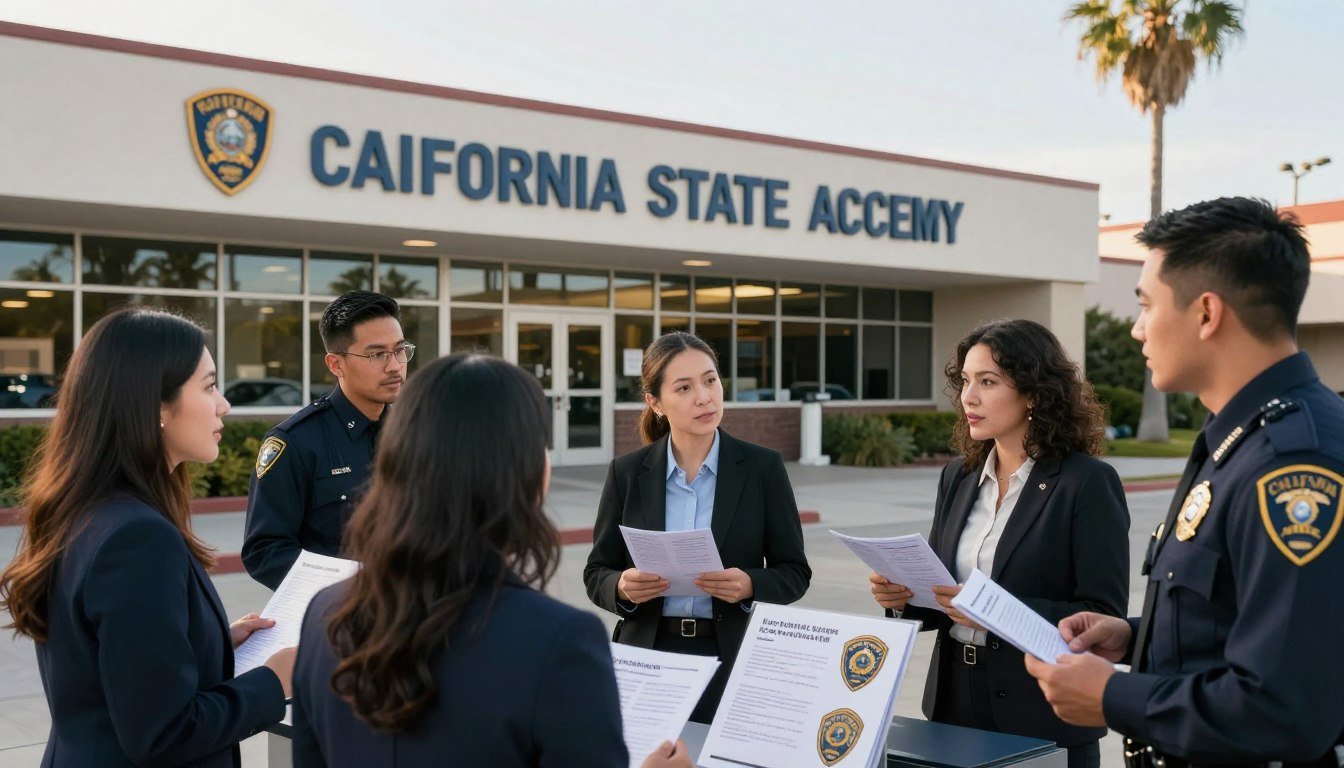
How to join Law Enforcement in California
Did you know that over 75,000 sworn personnel currently protect the diverse communities across the Golden State? This massive workforce represents a vital commitment to public safety and order. Choosing this career path is a noble decision that requires deep dedication and a strong moral compass.
Many individuals aspire to become a police officer in california because they want to make a tangible difference. The journey is demanding, but it offers a unique chance to serve with honor. You must meet rigorous physical and mental standards to succeed in this field.
Understanding the steps required is the first move toward your future. Learning How to join Law Enforcement in California involves navigating specific background checks and training academies. By maintaining high integrity, you prepare yourself for a rewarding life of service.
Key Takeaways
- Public service offers a stable and meaningful career path for dedicated individuals.
- Candidates must pass strict physical and psychological evaluations to qualify.
- Integrity and ethical behavior are the most important traits for new recruits.
- The training process is designed to prepare you for real-world challenges.
- Serving your community provides a unique sense of purpose and professional pride.
Understanding the Prerequisites for California Law Enforcement
Meeting the baseline california law enforcement requirements is the most critical step for anyone aspiring to join the ranks of public safety professionals. Before you begin your application, you must verify that you satisfy the fundamental criteria established by the state. These rules ensure that every recruit is prepared for the rigorous demands of the profession.
Basic Eligibility Requirements
Most agencies across the state require candidates to be at least 18 or 21 years of age, depending on the specific department. You must also possess a valid driver’s license to operate patrol vehicles safely. Maintaining a clean driving record is often just as important as holding the license itself.
Applicants must be free of any felony convictions to be considered for a position. Furthermore, you should be in good physical and mental health to perform the essential duties of the job. Many departments will conduct a thorough review of your personal history to confirm your suitability for service.
Educational and Citizenship Standards
The state mandates that all recruits hold a high school diploma or a GED equivalent. While some agencies may not require a college degree, having higher education credits can significantly enhance your competitiveness during the hiring process. Always check the specific california law enforcement requirements for the department you intend to join.
Regarding legal status, you must be a United States citizen or a permanent resident alien who is eligible for and has applied for citizenship. This is a non-negotiable standard for all sworn personnel. Verifying your documentation early will prevent unnecessary delays in your application journey.
How to join Law Enforcement in California: The Application Process
Navigating the path to become a police officer in California begins with a clear understanding of the application process. This journey requires patience, attention to detail, and a proactive mindset. By mastering these early administrative steps, you set a strong foundation for your future career in public safety.
Researching Agencies and Departments
Before you submit any paperwork, you must identify which agencies align with your professional goals. California offers a diverse range of opportunities, from small municipal police departments to large county sheriff’s offices and state-level agencies. Researching the specific culture, benefits, and patrol areas of each department is a critical first step.
Consider whether you prefer the fast-paced environment of a major metropolitan city or the community-focused atmosphere of a smaller town. Many candidates find it helpful to attend recruitment events or ride-alongs to gain firsthand insight. Finding the right fit ensures that your long-term career aspirations match the agency’s mission.
Submitting Your Initial Application
Once you have selected your target agencies, you must focus on the steps to becoming a cop in California by submitting a flawless application. Most departments utilize online portals where you will upload your personal history, educational credentials, and professional certifications. Accuracy is paramount during this stage, as any discrepancies can lead to immediate disqualification.
Ensure that you have all necessary documentation ready, including your driver’s license, birth certificate, and academic transcripts. Double-check every entry for spelling errors or missing information before hitting the submit button. A clean, professional application demonstrates your commitment to the high standards required in law enforcement.
The Written Examination Phase
After your application is accepted, you will likely be invited to participate in the ca law enforcement application process, which typically begins with a written examination. This test is designed to evaluate your reading comprehension, writing skills, and logical reasoning abilities. It serves as a baseline to ensure that all recruits possess the cognitive tools necessary for police work.
Preparation is the key to success during this phase. Many agencies provide study guides or practice tests on their official websites to help you familiarize yourself with the format. Treat this exam with the same seriousness as a final university test to ensure you move forward to the next stage of the hiring process.
Navigating the Background Investigation and Polygraph
Mastering the steps to becoming a cop in california requires passing a deep dive into your personal history. This phase is designed to ensure that every candidate meets the high ethical standards required for public safety roles.
The Personal History Statement
The Personal History Statement (PHS) serves as the backbone of the entire ca law enforcement application process. You will be required to provide an exhaustive account of your life, including employment history, residential addresses, and personal references.
It is vital to be completely honest when filling out this document. Any attempt to hide information or provide false details will likely result in immediate disqualification from the hiring process.
What to Expect During the Background Check
Once your PHS is submitted, a background investigator will begin verifying your information. They will contact former employers, neighbors, and personal references to build a profile of your character.
Investigators look for patterns of behavior that might indicate a lack of integrity or poor judgment. They will review your credit history, driving record, and criminal background to ensure you are a suitable candidate for the badge.
Preparing for the Polygraph Examination
The polygraph examination is a standard tool used to verify the truthfulness of your statements. You should approach this test with a calm mindset and a commitment to total transparency.
Remember that the examiner is looking for consistency in your answers. If you have been honest throughout the previous steps to becoming a cop in california, you have nothing to fear during this final vetting hurdle.
Preparing for the Physical Agility Test
Achieving peak physical condition is essential for meeting the demands of police work. Candidates must demonstrate that they possess the stamina and strength required to handle high-pressure situations effectively. Engaging in consistent california law enforcement training is the most reliable way to ensure you meet these rigorous performance metrics on test day.
Understanding Physical Fitness Standards
Most departments utilize standardized tests to evaluate a candidate’s readiness for the academy. These assessments typically measure your ability to perform under physical stress while maintaining proper form. You should familiarize yourself with the specific requirements of your target agency, as benchmarks can vary slightly across the state.
The following table outlines common performance expectations found in many regional testing programs. These figures represent the minimum standards often required to pass the initial screening phase.
| Exercise | Standard (Male) | Standard (Female) |
| 1.5 Mile Run | Under 14:00 | Under 16:00 |
| Push-ups (1 min) | 25 Reps | 15 Reps |
| Sit-ups (1 min) | 30 Reps | 30 Reps |
Training Tips for Success
Success in these tests does not happen overnight. It requires a structured approach to california law enforcement training that prioritizes both recovery and intensity. Start your preparation at least three to six months before your scheduled test date to allow your body to adapt to the increased workload.
Cardiovascular Endurance
Building a strong aerobic base is vital for long-term success in the field. Incorporate interval running into your weekly routine to improve your speed and lung capacity. Consistent running will help you maintain your composure during the endurance portions of the physical agility test.
Strength and Agility Drills
Focus on functional movements that mimic the physical tasks performed by officers. Strength training should include bodyweight exercises like push-ups, pull-ups, and planks to build core stability. Adding agility drills, such as shuttle runs or ladder work, will improve your coordination and explosive power, ensuring you are fully prepared for the challenges of california law enforcement training.
Succeeding in the Oral Board Interview
Facing a panel of experienced officers requires more than just preparation; it demands a display of character and maturity. This stage of the hiring process is designed to evaluate how you think under pressure and whether your values align with the department. You are not merely answering questions, but demonstrating your potential to serve the community with integrity.
Common Interview Questions
The panel will typically present scenarios that test your judgment, ethics, and situational awareness. You might be asked how you would handle a conflict between two citizens or how you would respond if you witnessed a fellow officer acting improperly. These questions do not always have a single “right” answer.
Instead, the interviewers are looking for your reasoning process and your ability to apply department policies to complex situations. They want to see that you can remain calm, objective, and fair when faced with difficult choices. Always take a moment to think before you speak to ensure your response is thoughtful and consistent.
Professional Presentation and Communication
Your non-verbal communication is just as important as the words you choose. Maintaining professional eye contact and sitting with good posture signals confidence and respect to the panel. Avoid fidgeting or using filler words, as these can undermine the authority you are trying to project.
Effective communication involves listening carefully to each question before formulating your response. If you do not understand a question, it is perfectly acceptable to ask for clarification. Clear, concise, and honest communication is the hallmark of a candidate who is ready for the responsibilities of a law enforcement career.
The California Police Academy Process
The path to a badge culminates in the rigorous environment of the california police academy process. This intensive program serves as the final major hurdle for candidates before they are sworn in as peace officers. It is designed to test your resolve, character, and ability to perform under significant pressure.
POST Certification Explained
Every academy in the state operates under the strict guidelines of the Commission on Peace Officer Standards and Training, commonly known as POST. This organization ensures that all california law enforcement training meets a high, uniform standard of excellence. By achieving POST certification, you demonstrate that you have mastered the essential skills required to serve your community safely and effectively.
Academic and Tactical Training Modules
The curriculum is vast and covers everything from complex legal statutes to high-speed vehicle operations. Recruits must balance classroom learning with physically demanding field exercises to ensure they are prepared for real-world scenarios. The following table outlines the core areas of focus during your time at the academy.
| Training Module | Primary Focus | Assessment Method |
| Legal Studies | Criminal Law and Procedure | Written Examinations |
| Defensive Tactics | Physical Control and Safety | Practical Skills Testing |
| Emergency Driving | Vehicle Maneuvering | Performance Evaluation |
| Community Policing | Ethics and Communication | Scenario-Based Training |
Life as a Recruit
Life inside the academy is defined by discipline, structure, and constant evaluation. You will wake up early, maintain a pristine uniform, and follow strict protocols throughout the day. This environment is intentionally challenging to prepare you for the unpredictable nature of police work.
Success requires unwavering dedication to your studies and physical conditioning. While the california police academy process is demanding, it builds the foundation for a long and successful career. By the time you graduate, you will have completed the most comprehensive california law enforcement training available, ready to protect and serve with confidence.
Career Paths and Specializations in California Law Enforcement
Once you graduate from the academy, a world of professional possibilities opens up within law enforcement careers in california. While the initial training provides the essential skills for public safety, the real growth begins when you start your active duty. Officers often find that their interests evolve as they gain experience on the streets.
Patrol and Field Operations
Patrol serves as the backbone of every department and is the primary entry point for most new officers. This role allows you to engage directly with the community while responding to emergency calls and maintaining public order. It is here that you will refine your decision-making skills and learn the nuances of local law enforcement.
Most agencies require a period of service in patrol before an officer can apply for specialized assignments. This foundational experience is invaluable for understanding the diverse needs of the population you serve. You will develop a deep sense of situational awareness that remains useful throughout your entire career.
“The patrol officer is the face of the department and the first line of defense in our communities.”
Specialized Units and Investigative Roles
After establishing a solid track record, many officers seek out law enforcement jobs in california that offer unique challenges. These specialized roles allow you to focus on specific areas of interest, such as criminal investigations or tactical operations. Whether you are drawn to the precision of a K-9 unit or the high-stakes environment of a SWAT team, there is a path for every skill set.
Consider the following specialized career paths often available in larger departments:
- Detective Divisions: Focus on complex criminal investigations and evidence gathering.
- K-9 Units: Partner with highly trained dogs for search, rescue, and apprehension tasks.
- SWAT Teams: Handle high-risk incidents requiring specialized tactical training.
- Traffic Enforcement: Specialize in accident reconstruction and road safety initiatives.
Visualizing your long-term trajectory is essential for professional satisfaction. By setting clear goals early on, you can tailor your training and experience to align with your desired specialization. Pursuing these advanced roles ensures that your career remains both rewarding and intellectually stimulating for years to come.
Conclusion
Starting a career in public service requires dedication and a clear vision of your goals. You must maintain high standards of integrity while preparing for the rigorous demands of the job.
Success in this field relies on your ability to stay focused during every stage of the hiring process. Consistent physical training and mental preparation will serve you well as you move toward your badge.
Agencies like the Los Angeles Police Department or the California Highway Patrol look for candidates who demonstrate resilience. Your commitment to these values helps build trust within the communities you will eventually serve.
Take the time to review your personal goals and ensure you meet all state requirements. Every step you take brings you closer to a meaningful role in protecting the public.
Engage with local recruiters to learn more about specific department needs. Your path to becoming a peace officer starts with the choices you make today.
FAQ
How can I begin the process of how to join law enforcement in California?
To become a police officer in California, the first step is to research specific agencies that align with your professional goals, such as the Los Angeles Police Department (LAPD) or the California Highway Patrol (CHP). Once you have identified a department, you must navigate the ca law enforcement application process, which begins with submitting an initial application and passing a standardized written examination designed to test basic cognitive abilities.
What are the primary california law enforcement requirements for applicants?
Minimum california law enforcement requirements include being at least 18 years of age (though many departments require 21), possessing a high school diploma or equivalent, and holding a valid driver’s license. Additionally, candidates must meet specific citizenship standards mandated by state law and pass a rigorous medical and psychological evaluation to ensure they are fit for duty.
What are the essential steps to becoming a cop in california regarding the background check?
One of the most critical steps to becoming a cop in california is the background investigation. This involves completing an extensive Personal History Statement that covers your employment, financial, and legal history. Most agencies also require a polygraph examination and a series of interviews with neighbors and former employers to ensure you possess the high level of integrity required for law enforcement jobs in california.
What should I expect during the california police academy process?
The california police academy process is a demanding, several-month journey that combines academic instruction with tactical training. Recruits study California law, community policing, and ethics while undergoing intense california law enforcement training in firearms, defensive tactics, and emergency vehicle operations. Successful completion results in POST (Peace Officer Standards and Training) certification, which is mandatory for sworn officers in the state.
How rigorous is the physical training for law enforcement careers in california?
Physical readiness is a cornerstone of law enforcement careers in california. Candidates must pass a physical agility test that typically includes timed runs, obstacle courses, and strength assessments like push-ups and sit-ups. To succeed, it is highly recommended that you begin a fitness regimen focused on cardiovascular endurance and strength long before you enter the academy.
What happens during the Oral Board Interview?
The Oral Board Interview is a formal meeting with a panel of law enforcement professionals. You will be evaluated on your communication skills, situational judgment, and core values. This is your opportunity to demonstrate that you have the character and maturity necessary for law enforcement jobs in california. Preparing for common questions regarding ethics and community relations is essential for a professional presentation.
What types of law enforcement careers in california are available after graduation?
After completing the academy and a field training period, officers usually begin in patrol and field operations. As you gain experience, you can pursue diverse law enforcement careers in california, such as becoming a detective, joining a K-9 unit, or specializing in SWAT operations. Agencies like the San Diego Police Department and various county Sheriff’s offices offer numerous paths for specialization and advancement.
Why is POST certification so important in California?
POST certification ensures that every officer in the state has met the uniform training and selection standards established by the California Commission on Peace Officer Standards and Training. This certification is a mark of professional quality and is required to exercise peace officer powers in the state of California, making it the ultimate goal of the california police academy process.
About the Author